Accountant for Delivery Drivers, Couriers and Taxi Drivers
Fixed-fee Self Assessment and tax support for Amazon Flex, Evri, DPD, Deliveroo, Uber Eats, private-hire and independent UK drivers. Bring your platform statements and mileage records—we’ll organise the figures, review your allowable expenses and calculate what you owe.
Before qualifying as an accountant, Fahad spent around a year and a half driving for Amazon Flex and delivering for Deliveroo and Uber Eats. He understands mileage across back-to-back shifts, income arriving from several apps, and the uncertainty around what to save for tax.
That firsthand experience shapes Aurestone's support: practical record keeping, realistic expense advice and a clear route through Self Assessment.
Who this is for
Built around how delivery, courier and taxi drivers actually earn.
Evri, DPD, Yodel and Hermes self-employed courier drivers
Deliveroo, Uber Eats and other food delivery riders and drivers
Self-employed taxi, minicab, private-hire and ride-hailing drivers
Independent van couriers and multi-drop subcontractors
Anyone driving as a side hustle alongside employed or other self-employed work
The problems we see most
The same accounting headaches come up again and again.
Mileage and fuel receipts scattered across the year with no proper log
Payout statements from two or three different apps that never quite add up
No idea what to set aside for tax until the Self Assessment bill lands
Worry about penalties from registering late or falling behind with HMRC
Driver Accounting Support
Support for the real tax and record-keeping challenges drivers face.
🚗
Mileage vs Actual Vehicle Expenses
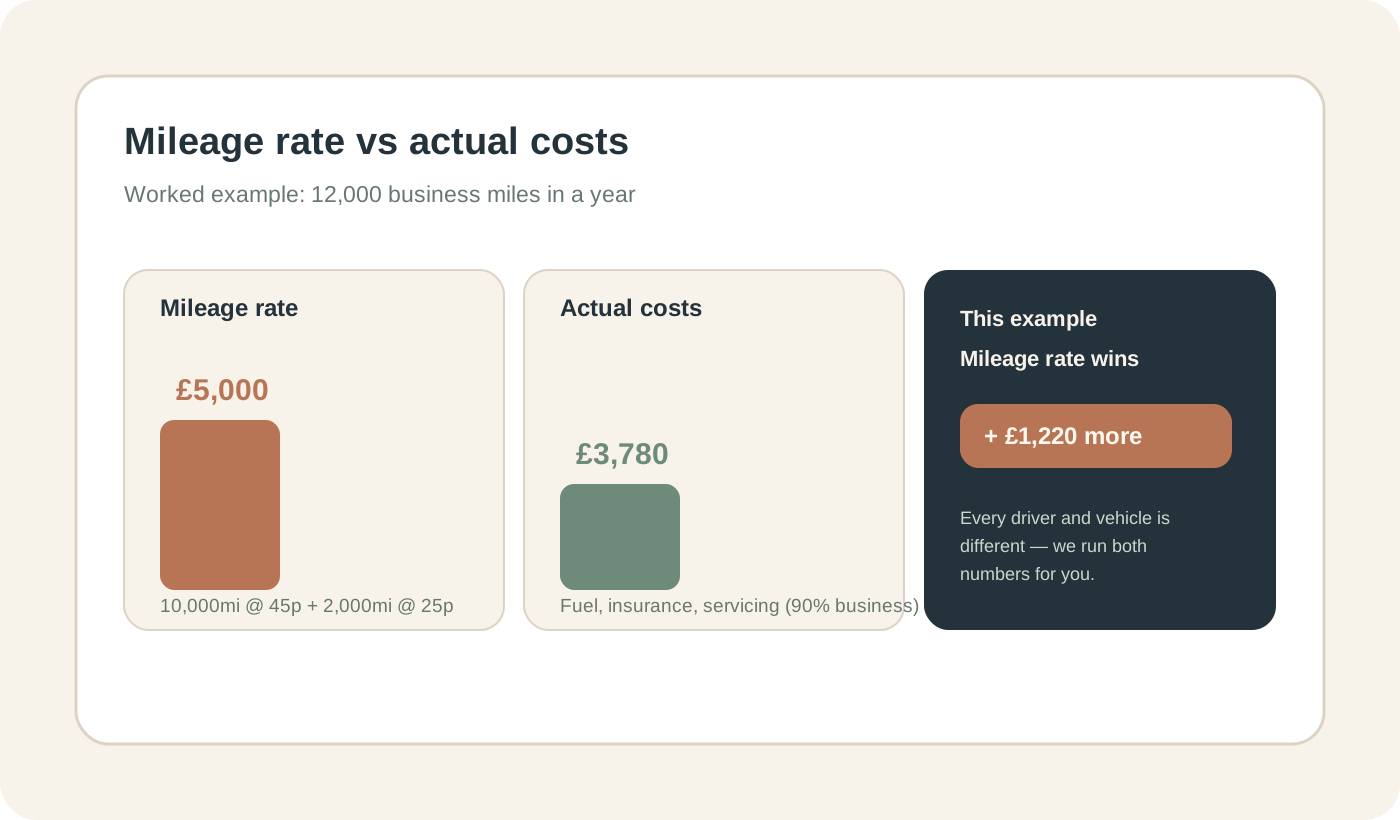
We compare the simplified mileage method with the allowable business share of actual vehicle costs, explain which method is available for your vehicle, and help you apply it consistently.
📦
Multi-App Income Consolidation
Whether you drive for Amazon Flex, Evri, Deliveroo, Uber Eats, DPD, Yodel, Stuart or private contracts, we pull together all your payout statements into one accurate Self Assessment return.
🧾
Allowable Expense Review
We review costs such as business insurance, the business share of phone data, delivery equipment, safety gear, parking and tolls, then include the expenses supported by your records.
🗓️
No Last-Minute Tax Return Panic
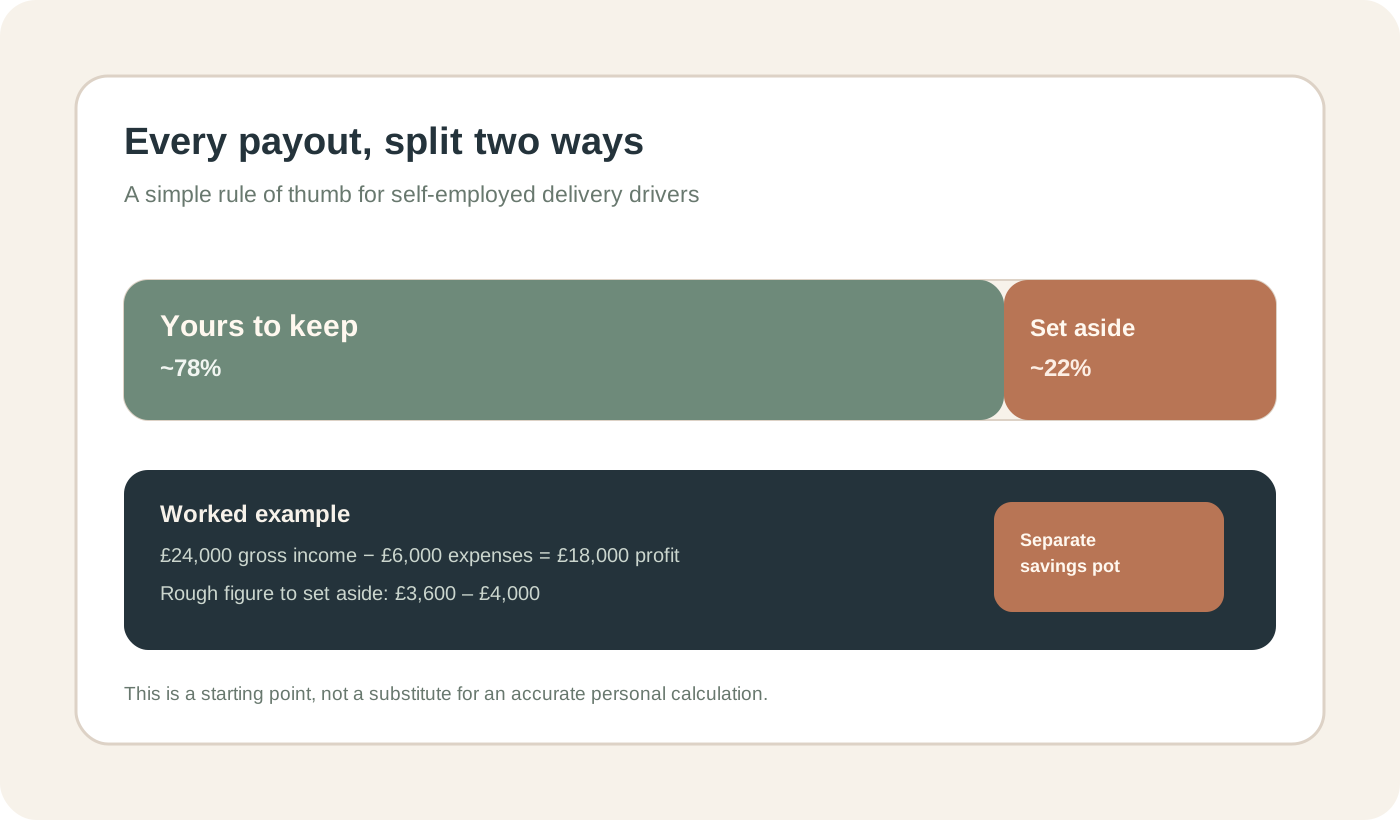
We calculate your Income Tax, Class 4 National Insurance, and payment-on-account obligations early so you know exactly what to set aside before the HMRC deadline.
⚡
VAT & MTD Preparation
We monitor the relevant VAT and MTD thresholds, help you build digital record-keeping habits, and explain what compatible software and quarterly updates will mean for your driving business.
💬
Direct Access to a Certified Accountant
No endless call centre queues or vague advice. Speak directly with a qualified UK accountant whenever you switch vehicles, buy equipment, or have questions about your tax.
How it works
A clear route from scattered records to a filed return
01
Send your driver records
Share your platform statements, mileage log, expense receipts and details of any PAYE or other income.
02
We organise and review
We reconcile income from every platform, review the available vehicle-cost method and check supported business expenses.
03
Approve and file
You receive the tax calculation and return for approval before Aurestone submits it to HMRC.
2026–27 Mileage Rates
Simplified vehicle expenses for self-employed drivers
Cars and goods vehicles: 55p per business mile for the first 10,000 miles
Cars and goods vehicles: 25p per business mile after 10,000 miles
Motorcycles: 24p per business mile
These rates apply for the 2026–27 tax year. The mileage method covers costs such as fuel, insurance, servicing, repairs, vehicle tax, MOT and depreciation, so those costs cannot also be claimed separately for the same vehicle.
Income consolidated from your delivery, courier and taxi platforms
Mileage-method and allowable-expense review
Tax and National Insurance calculation
Self Assessment return prepared for your approval
Electronic submission to HMRC and payment guidance
Your quote depends on the number of platforms, the condition of your records and whether catch-up bookkeeping is required. We agree a fixed fee before starting the work.
What HMRC expects from you as a self-employed driver.
Register for Self Assessment by 5 October after the tax year if your gross self-employed trading income is more than £1,000
Pay Income Tax and Class 4 National Insurance on your driving profits after allowable expenses
Make Payments on Account if your tax bill is over £1,000, so future liabilities are spread out
Register for VAT once your rolling 12-month turnover passes £90,000
Prepare for Making Tax Digital for Income Tax if qualifying income is more than £50,000 for April 2026, £30,000 for April 2027, or £20,000 for April 2028
Download the Delivery-Driver Expenses Checklist for a practical list of platform statements, mileage records, vehicle costs, insurance, equipment and other information to keep for your tax return.
It also explains why mileage and actual vehicle costs are alternative methods, so you do not accidentally claim the same vehicle costs twice.
Delivery, Courier & Taxi Accounting — Common Questions
Do I need to file a tax return as a self-employed delivery or courier driver?
Yes. If your self-employed delivery earnings exceed £1,000 in a tax year (before expenses), you must register for Self Assessment with HMRC and file an annual tax return.
Is it better to claim mileage or actual vehicle expenses?
It depends on your vehicle, business mileage, costs and the method already used for that vehicle. For 2026–27, the simplified rate for cars and goods vehicles is 55p for the first 10,000 business miles and 25p after that. Once you use the mileage method for a vehicle, you normally continue with it while that vehicle remains in the business.
Can I claim expenses if I work for Amazon Flex, Evri, Deliveroo and Uber Eats at the same time?
Yes. Working for multiple platforms is common. We bring the payout statements together, reconcile the total income and include the allowable expenses supported by your records in one Self Assessment return.
What expenses can delivery and courier drivers claim against tax?
Allowable expenses include business mileage or vehicle running costs (fuel, MOT, repairs, insurance), goods in transit & public liability insurance, phone data used for delivery apps, delivery bags & equipment, parking/tolls, and professional accountancy fees.
Does Making Tax Digital affect delivery drivers?
It will for some drivers. MTD for Income Tax starts from April 2026 for qualifying income over £50,000, April 2027 for income over £30,000, and April 2028 for income over £20,000. We can check your likely start date and help prepare your digital records and software.
What happens if I haven't registered with HMRC or am behind on tax returns?
We can help organise the missing records, identify which returns are outstanding and explain the available route for bringing your position up to date. Penalties and interest depend on your circumstances and HMRC's assessment.
Can I claim both mileage and fuel?
Not for the same vehicle costs. The simplified mileage rate already covers fuel, insurance, servicing, repairs, vehicle tax, MOT and depreciation. If you use actual costs instead, you claim the allowable business proportion of relevant vehicle expenses.
What records should I keep from each delivery or taxi platform?
Keep weekly or monthly payout statements, invoices, tips and bonuses, mileage records, bank statements and receipts for relevant business costs. Record income from every platform, including cash and private jobs.
What if I drive as a side hustle and also have a PAYE job?
Your driving income still needs to be considered separately for Self Assessment. Your PAYE earnings and tax already deducted are also included when calculating your overall tax position.
How much does delivery-driver tax return support cost?
Aurestone provides a fixed quote after reviewing the number of platforms, the quality of your records and whether catch-up bookkeeping is needed. The quote is agreed before paid work begins.
Get a clear fixed quote for your driver tax return
Tell us which platforms you use and what records you have. We'll confirm the work involved and agree the fee before paid work begins.