Key takeaways
- There is no new “side hustle tax”; HMRC now has better visibility because online platforms report seller data.
- If your total gross trading income is £1,000 or less in the tax year, you usually do not need to tell HMRC.
- Selling your own personal possessions is not normally trading, even if a platform reports your account to HMRC.
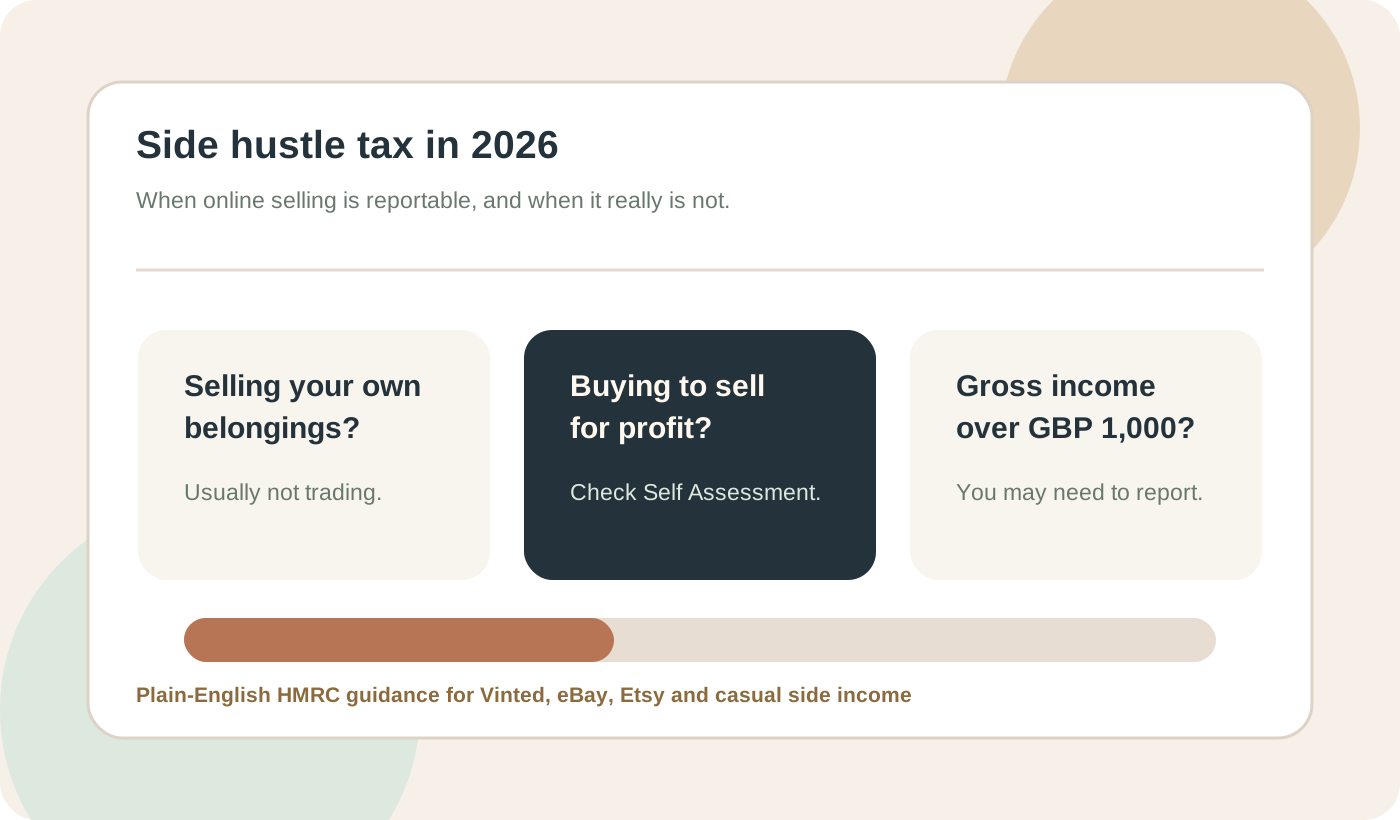
- Buying or making things to sell for profit is trading, and over £1,000 gross income must usually be reported through Self Assessment.
- For 2025/26 income, the key deadlines are 5 October 2026 to register and 31 January 2027 to file online and pay.
If you have sold a few things on Vinted, picked up some delivery shifts, or made a bit of money from a hobby, you may have seen the headlines about the “side hustle tax” and felt a knot in your stomach. Maybe a friend mentioned that HMRC now gets your selling data. Maybe you have heard that eBay and Etsy are “reporting” people.
Take a breath. The reality is far calmer than the headlines, and for a lot of people there is genuinely nothing to do. This guide explains, in plain English, when your side income is taxable, when it is not, and exactly what to do if it is.
First, the big misunderstanding: there is no new tax
This is the most important thing to understand. There is no special “side hustle tax”. The phrase is just a nickname the press gave to a change in the reporting rules.
The tax itself has not changed. If you make money from trading, you have always owed income tax on the profit, the same as you would on any other earnings. What changed is that online platforms such as Vinted, eBay, Etsy, Depop, Airbnb, Uber, and Fiverr now have to share seller data with HMRC automatically each year. So HMRC simply has better visibility than it used to. The law you need to follow is the same law that was always there.
The £1,000 trading allowance: your tax-free buffer
Every person in the UK gets a £1,000 tax-free trading allowance each tax year. If your total income from side activities is £1,000 or less before expenses, you normally owe no tax on it and do not need to tell HMRC or file a tax return just for that income.
A few things are worth knowing about this allowance. It looks at gross income, meaning the total before you take off costs like postage or platform fees. If you received £1,100 and paid £200 in postage, you have still crossed the £1,000 line. It is one combined allowance, not one per platform. If you made £600 on Etsy and £600 on eBay, that is £1,200 in total, which is over the threshold. It can cover many types of small trading income, including selling goods, providing a service, casual work, and content creation.
The question that actually matters: are you trading?
Here is the distinction that decides everything. HMRC cares about whether you are trading or simply selling your own belongings.
Selling your own stuff is not usually trading. If you clear out your wardrobe, sell the kids’ old toys, or list furniture you no longer need, you are not running a business. You are selling personal possessions you originally bought to use. That is not taxable trading income, and for ordinary clear-outs there is often nothing to report.
Buying or making things to sell for profit is trading. If you buy items to resell, make crafts to sell, flip furniture, or run any activity with the intention of making a profit, HMRC may treat that as a trade. Once that trading income passes £1,000 gross in a tax year, it becomes reportable.
So the honest test is this: why are you selling? Clearing out your own clutter is different from buying to sell on. One thing to keep in mind even when selling personal items: if you sell a single personal possession for £6,000 or more, Capital Gains Tax can come into play. For most everyday clear-outs, this never applies.
Why you might get a letter, even if you owe nothing
Platforms are required to report an account to HMRC once it sells more than 30 items, or earns roughly £1,700 to £1,735, in a year. That trigger is about reporting, not about tax.
This is why some people who are only selling their own belongings can still receive a nudge letter. It does not mean you have done anything wrong, and it does not automatically mean you owe tax. If you were genuinely just selling personal items, you may have nothing to pay. The practical advice is to keep simple records so you can explain the situation if you are ever asked.
When you must register, and the key dates
If your trading income goes over £1,000 gross in a tax year, you generally need to register for Self Assessment, file a tax return for that year, and pay any tax due.
For income earned in the 2025/26 tax year, which ended on 5 April 2026, the deadlines are:
- Register by 5 October 2026 if you have not filed before
- File online and pay by 31 January 2027
- Remember that crossing the £1,000 threshold does not automatically mean a big tax bill. It means you may need to register and report.
A handy tip: the allowance can work as a deduction
If your trading income is over £1,000, you usually get a choice. You can either deduct your actual business expenses, or simply deduct the flat £1,000 trading allowance instead. You use whichever gives you the better result.
This is genuinely useful for small sellers whose real costs are low. If your expenses for the year were only £400, you would usually be better off claiming the £1,000 allowance and ignoring the actual figures.
A couple of real-world examples
Sarah is not trading. Over the year, Sarah sells about £800 of old clothes on Vinted, things she originally bought to wear. Even if Vinted reports her account because she listed more than 30 items, Sarah owes nothing and does not need to register. She was selling her own belongings, not trading.
Tom is trading. Tom buys trainers at car boot sales and resells them on eBay. This year he took £2,400 in sales, with around £900 of costs for stock, postage, and fees. Because he is buying to sell for profit, this is a trade, and he is over £1,000, so he must register for Self Assessment.
When Tom files, he compares his options. His actual expenses are £900, but the flat trading allowance is £1,000, so the allowance gives him the better result. His taxable profit becomes £2,400 minus £1,000, which is £1,400. As a basic rate taxpayer, that is roughly £280 in income tax. Easy to handle if he has set a little aside as he goes, which is exactly what we would recommend.
What about renting out a room or a property?
There is a separate £1,000 property allowance that works in a similar way for some property income. On top of that, the Rent a Room scheme lets you earn up to £7,500 tax free from letting furnished accommodation in your own home. You use whichever relief suits your situation best, and you should check the details if property or room rental is part of your side income.
A change on the horizon, but not yet
You may have read that the threshold for reporting trading income could rise to £3,000. The government has signalled its intention to simplify reporting for smaller side incomes, but until a change is officially introduced, the £1,000 gross threshold is the one to use. Please do not assume the higher figure is already in force, as relying on it too early could leave you with a missed deadline.
Keep simple records, even if you think you are under the line
Whatever your situation, a few minutes of record keeping saves a lot of stress later. Keep a note of what you sold, what you received, and any costs. If you are selling your own items, hold on to anything that shows they were personal possessions. If HMRC ever asks, you will have a clear, calm answer ready.
Not sure which side of the line you are on?
This is one of the most common questions we are asked, and the honest answer is that it depends on your specific situation. If you are unsure whether your side income counts as trading, whether you need to register, or how much to set aside, we are happy to take a quick look and tell you plainly where you stand. No jargon, no scare tactics.
Book your free Tax and Finance Review, or send us a message on WhatsApp and tell us what you have been selling. We will help you work out whether you need to do anything at all.
WhatsApp: 07344 620162
Email: fahad@aurestoneadvisory.com
Website: aurestoneadvisory.com
Facebook: Aurestone Advisory
Self Assessment from £150. Bookkeeping from £75 a month. Payroll from £45 a month. Company accounts from £120 a month.
This article is general guidance and not personal tax advice for your specific circumstances. Tax rules and thresholds can change, so always confirm the current position before you act, or get in touch and we will help you check.
Frequently asked questions
Is there a new side hustle tax in the UK?
No. There is no separate new side hustle tax. The main change is that online platforms now report more seller information to HMRC, so HMRC has better visibility of income that may already have been taxable.
Do I pay tax if I sell my own clothes on Vinted or eBay?
Usually not if you are genuinely selling your own personal possessions that you originally bought to use. The position is different if you buy or make items with the intention of selling them for profit.
When do I need to register for Self Assessment for a side hustle?
If your gross trading income is more than £1,000 in a tax year, you usually need to register for Self Assessment and report it, even if your eventual tax bill is small.
Does platform reporting mean I automatically owe tax?
No. Platform reporting is not the same as a tax bill. It simply means HMRC may receive information about your account. Whether tax is due depends on whether you were trading and whether your income is reportable.
Topics
Not sure if your side income counts as trading?
Get a clear answer before HMRC deadlines become stressful
Aurestone can help you work out whether you need to register, what records to keep, and how much to set aside if your side income is taxable.
Next step
Want help applying this to your own tax and profit numbers?
Download the free tax guide, or book a quick review if you want Aurestone to help you spot what needs attention first.